Chicago Weather: Your Ultimate Guide To Understanding The Windy City's Climate
Chicago Weather: Your Ultimate Guide To Understanding The Windy City's Climate - For example, the frequency and intensity of extreme weather events have increased in recent years. Heatwaves are becoming more common, and the city is experiencing more intense rainfall events. These trends are consistent with global climate patterns and highlight the importance of understanding how climate change may affect Chicago weather in the future. One of the most famous extreme weather events in Chicago's history is the Great Chicago Fire of 1871. While not a meteorological event in the traditional sense, the fire was exacerbated by dry conditions and strong winds, which helped it spread rapidly through the city. This disaster led to significant changes in urban planning and fire safety regulations.
For example, the frequency and intensity of extreme weather events have increased in recent years. Heatwaves are becoming more common, and the city is experiencing more intense rainfall events. These trends are consistent with global climate patterns and highlight the importance of understanding how climate change may affect Chicago weather in the future.
The Blizzard of 1979 is often cited as one of the worst winter storms in Chicago's history. Snowfall totals reached 20 inches (51 cm), and wind gusts of up to 50 mph (80 km/h) created treacherous conditions across the city. The storm brought Chicago to a standstill, highlighting the challenges of coping with extreme winter weather.
Lake Michigan plays a significant role in shaping Chicago weather. The lake's vast expanse of water can moderate temperatures, making winters slightly milder and summers cooler. However, it also contributes to the "lake effect," a phenomenon that can lead to heavy snowfall and sudden temperature changes.
Climate change is having a measurable impact on Chicago weather. Rising global temperatures are contributing to more frequent and intense heatwaves, heavier rainfall events, and changes in seasonal patterns. These shifts are likely to continue in the coming decades, presenting new challenges for the city's infrastructure and residents.
Chicagoans are no strangers to extreme weather, and they have developed unique ways to cope with the city's climate. From bundling up in layers during the winter to seeking out shaded outdoor spaces in the summer, locals have mastered the art of adapting to their environment. Many residents also take advantage of indoor activities during inclement weather, such as visiting museums, attending concerts, or enjoying the city's vibrant dining scene.
Chicago weather has long been a conversation starter among residents and tourists. The city's location near Lake Michigan plays a significant role in shaping its climate, contributing to the rapid changes in weather that can occur throughout the year. As you explore the city, you'll quickly realize why locals often say, "If you don't like the weather in Chicago, just wait five minutes."
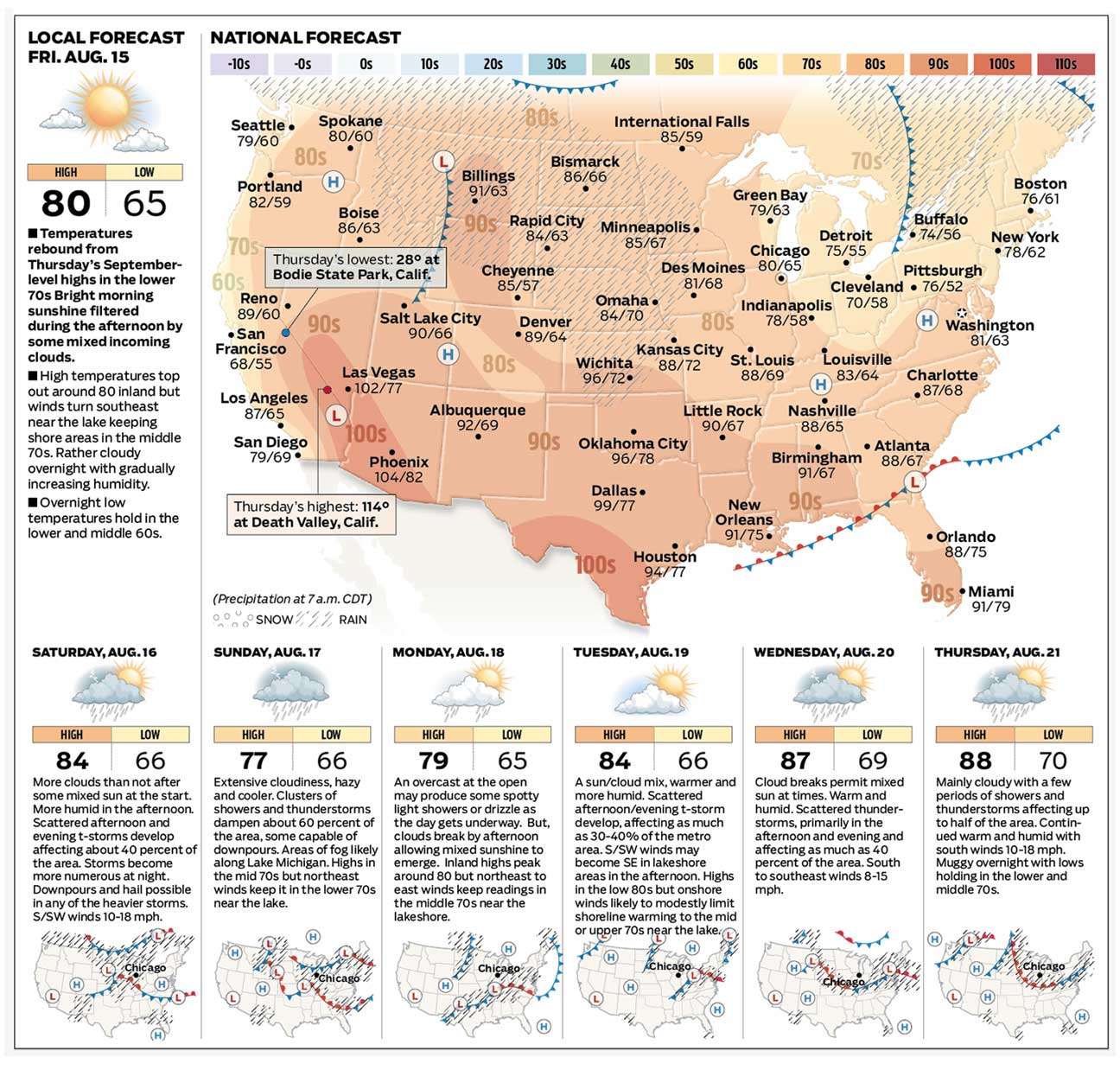
Spring in Chicago typically lasts from March to May. During this season, temperatures gradually rise, and the city begins to awaken from its winter slumber. Average temperatures range from 40°F (4°C) in early spring to 65°F (18°C) by late spring. However, weather conditions can vary significantly, with occasional snowfall in early spring and thunderstorms becoming more frequent as the season progresses.
Understanding the Windy City's weather patterns is crucial for anyone planning to spend time in Chicago. From packing the right clothing to timing your visit to avoid extreme weather, knowledge of Chicago's climate can significantly enhance your experience. In this section, we'll provide an overview of what you can expect from Chicago weather throughout the year.
We invite you to share your thoughts and experiences with Chicago weather in the comments below. Have you visited the city during a particularly memorable weather event? What tips do you have for navigating Chicago's climate? Let us know, and don't forget to explore our other articles for more insights into the Windy City and beyond!
Fall, or autumn, in Chicago is a favorite season for many. Spanning from September to November, this period offers mild temperatures and stunning foliage. Average temperatures range from 70°F (21°C) in early fall to 40°F (4°C) by late fall. The crisp air and vibrant colors of the changing leaves make fall an ideal time to explore the city's parks and outdoor attractions.
Chicago Winter weather covers the U.S. Pictures CBS News
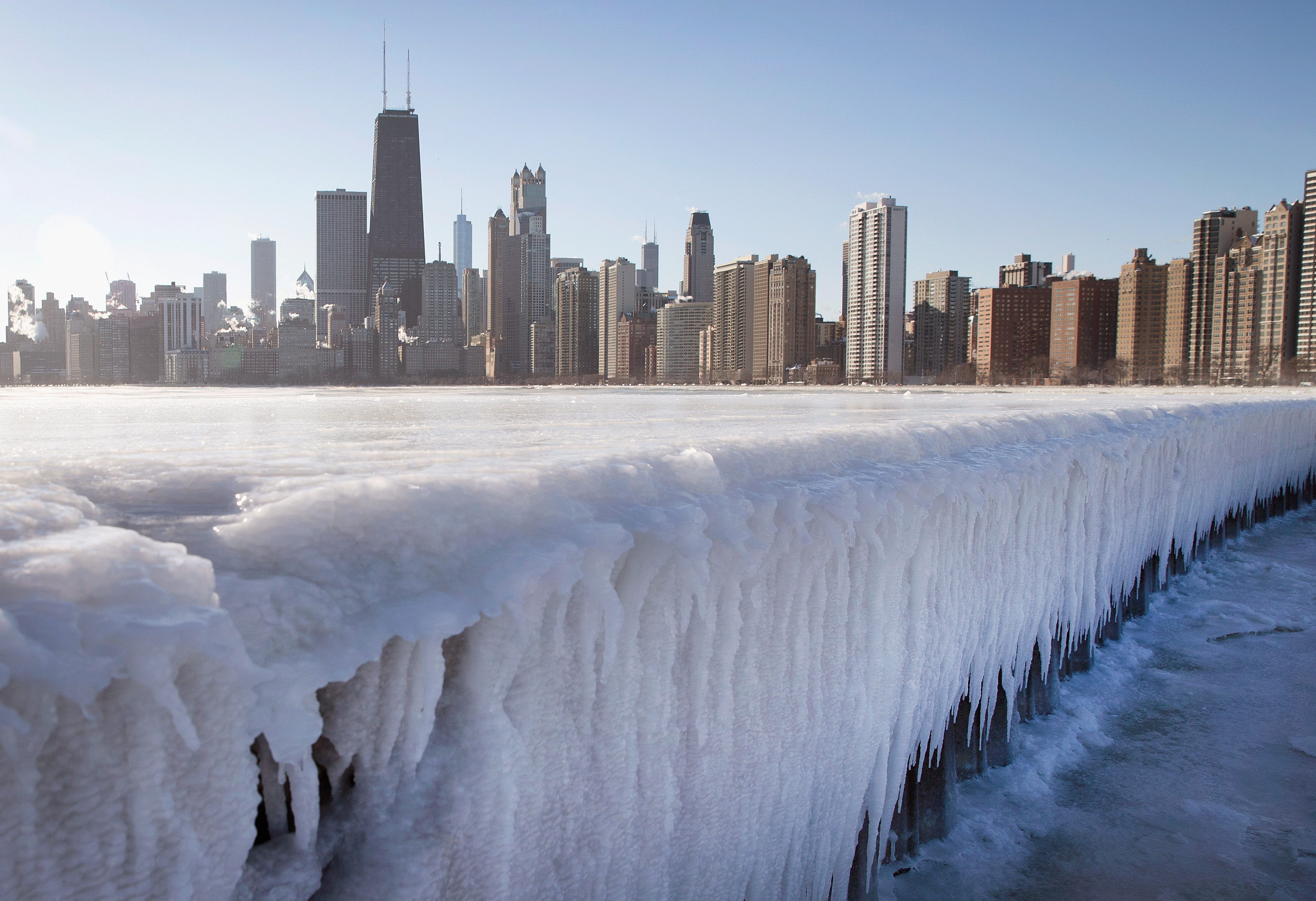
During the winter months, cold air moving across the relatively warmer waters of Lake Michigan can pick up moisture, resulting in heavy snowfall in areas downwind of the lake. This "lake effect snow" can occur even when there is no widespread snowstorm affecting the region. In the summer, the lake can cool the air, reducing the intensity of heatwaves in the city.